Edinburgh: where to stay, when to go, and how the city fits together
Last updated 16 July 2026
Overview
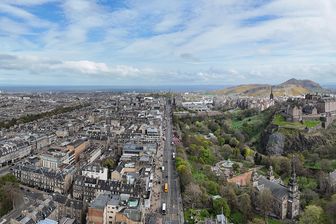
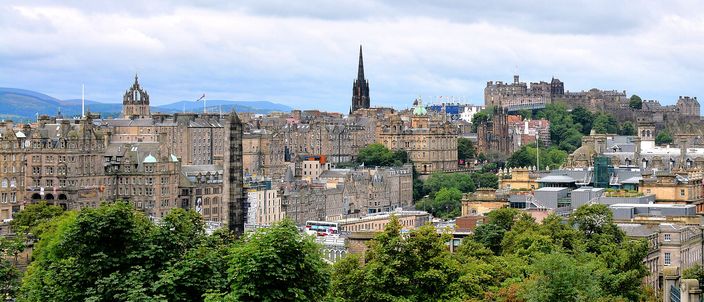
Edinburgh is built on and around a set of volcanic hills, and the terrain explains almost everything about it. The medieval Old Town runs along a ridge from the castle down to the palace at Holyrood; the Georgian New Town sits on flatter ground to the north; and between them lies a valley — once a loch, now gardens and the main railway line — that Princes Street looks across. This is a compact capital you cross on foot, but “on foot” here means up and down stairs, closes and steep wynds, so the flat, walkable feel of some cities is not what you get. It is also a genuinely two-faced city: dense and touristy along the Royal Mile, calm and residential a few streets away. And for one month a year it becomes something else entirely — in August the festivals roughly double the population, and that fact should shape when you come and what you pay.
Where to stay
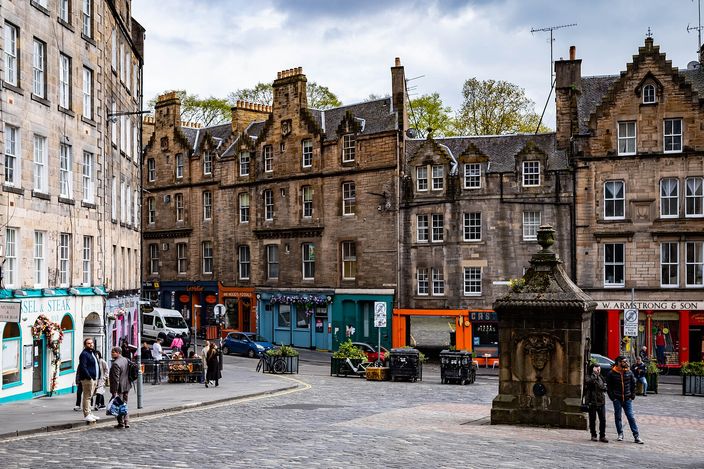
The centre is small enough that most visitors could base themselves anywhere inside it and walk to the main sights. The decision is really about atmosphere and noise — the Old Town is loud and steep, the New Town elegant and calmer — plus how far out you’re willing to sit for more space and better value. Waverley station sits in the valley at the centre of everything; Haymarket, the second station, serves the West End.
Old Town — Royal Mile, Grassmarket, Cowgate
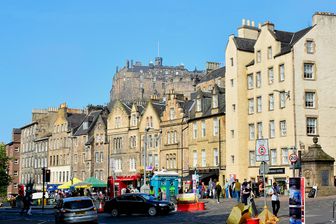
The postcard Edinburgh: the castle, the cobbled Royal Mile running down to Holyrood, and the tight grid of closes either side. Stay here if it’s your first visit and you want the cathedral, the castle and the medieval texture on your doorstep. The trade-offs are real and worth taking seriously. It’s the most expensive and most tourist-saturated part of town; the Cowgate and Grassmarket are the city’s late-night drinking pit, so a room above or near them means noise until the small hours, especially at weekends; and the terrain is relentlessly uphill. Good for a short, sights-first stay — less so if you value sleep.
New Town — George Street, Princes Street, Stockbridge edge
North of the valley, the New Town is a UNESCO-listed grid of Georgian terraces, wide streets and private garden squares, laid out in the 18th century as a planned escape from the overcrowded Old Town. This is where the good shopping is (George Street), and it’s flatter, quieter and more polished than across the valley. Stay here for elegance and an easy walk to both stations and the sights. The trade-off is price — it’s expensive — and that after the shops close, parts of it are more residential than lively.
West End & Haymarket
The refined western edge of the centre, around Haymarket station and the streets below the castle rock. Practical if you’re arriving by train from Glasgow or the west, or want quick access to trams. It’s handsome and central without the Royal Mile crush. The trade-off is that it’s a slightly businesslike, quieter quarter with less on its immediate doorstep in the evening, and Haymarket itself is a busy transport junction rather than a destination.
Stockbridge
A genteel former village just northwest of the New Town, down the hill by the Water of Leith. It has an independent, well-heeled high street, a Sunday market, and the riverside walkway that runs quietly through the city. Stay here if you want a neighbourhood feel, good food and a 20-minute walk (downhill in, uphill back) to the centre. The trade-off is exactly that walk — you’re outside the tourist core, which is the point, but you’ll climb back up to reach it, and there’s no rail station here.
Leith
The old port, north of the centre at the foot of Leith Walk and now the end of the tram line. Leith has reinvented itself around its waterfront and a strong eating-and-drinking scene, with several of the city’s most ambitious kitchens down here. Stay here if food is your priority and you don’t mind being 25–30 minutes from the castle. The trade-offs: it’s a proper journey from the sights, the waterfront charm is patchy — genuinely lovely stretches sit next to plainer, still-rough blocks — and it can feel exposed and windy off the Firth.
Southside, Bruntsfield & Marchmont
South of the Old Town, this is student and family Edinburgh — the university is here, along with tenement flats, green space at the Meadows, and cheaper, more everyday high streets running out through Bruntsfield and Morningside. Stay here for better value, a local feel and easy access to Arthur’s Seat. The trade-off is distance and buzz: it’s a walk or a bus into the centre, and outside term time and the festival it’s quiet residential ground rather than a night out.
When to go
Late spring (May–June) and September are the best times: the days are long, the weather is as reliable as it gets, and the city is functioning normally. August is the exception that governs everything — the Fringe, the International Festival and the Military Tattoo overlap, the population swells, accommodation is booked out months ahead and prices peak. Come in August if the festival is why you’re coming; avoid it if it isn’t. Hogmanay (New Year) is the other big event, with a street party and fireworks that fill the centre. Winter otherwise is cold, dark and often wet, but atmospheric and quiet. Note that Edinburgh sits on the east coast and gets the haar, a cold sea fog that can roll in off the Firth and blot out a warm morning even in summer — this is not a hot-weather city, and packing for wind and rain in any month is sensible.
Getting there & around
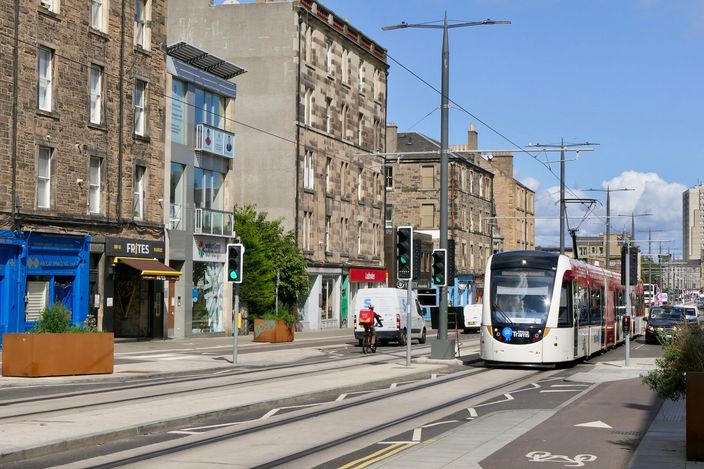
The airport is west of the city, and the tram is the simplest way in: it runs from the terminal along Princes Street to the centre, then continues down Leith Walk to Newhaven, taking around half an hour to reach the middle of town. Airport buses cover the same route and run through the night; a taxi is quicker but noticeably pricier. Waverley station, in the valley at the heart of the city, is the main rail hub — Glasgow is about 50 minutes away, and the trains south to London take a little under five hours; both are worth booking ahead. Once you’re here, don’t bother with a car: the centre is congested, parking is expensive and awkward, and everything central is walkable. Lothian Buses cover the whole city densely and use a flat fare; buy a ticket by app or pay contactless, as drivers don’t give change. The one thing a car buys you is the countryside and coast beyond, which the trains and buses reach less easily.
Practicalities
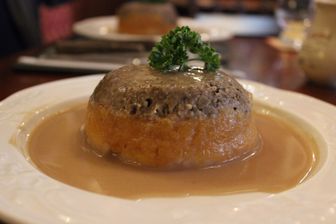
Edinburgh is a safe city by big-city standards; ordinary care around the Cowgate late at night and at the station covers it. Cards and contactless are accepted essentially everywhere, and cash is rarely needed. Note that Scotland issues its own banknotes — they are valid UK currency, though you may occasionally see them questioned elsewhere in the UK. The weather is the practical fact that catches people out: it’s changeable and windy, and a waterproof does more for you than an umbrella, which the gusts tend to destroy. On food, the dishes to seek out are haggis with neeps and tatties (turnip and potato), Cullen skink (a thick smoked-haddock and potato soup), and fresh seafood, best down in Leith. Whisky is the drink; a good bar will steer you by region rather than brand. Tipping runs around 10% in restaurants if service isn’t already added, and less formally elsewhere.