Cuy in Cusco: what it is, how to order it, what to avoid
Last updated 20 July 2026
Overview
Cuy is guinea pig, and it is the oldest domesticated meat in the Andes — bred for the table across the highlands for thousands of years, long before the Inca and long before Spain. It belongs to the wider Andean world rather than to this city alone: it is eaten in the highlands of Peru, Ecuador and Bolivia, and within Peru it is the pride of several regions, not one. What Cusco has is a particular style and a particular calendar, and both are worth knowing before you order.
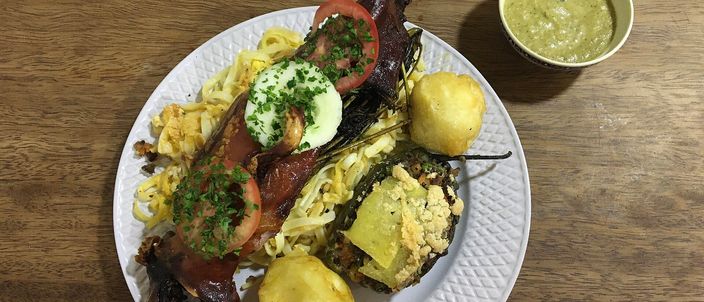
Physically, cuy is small — a single animal is one generous portion, occasionally shared — and it is almost always cooked and served whole, head and feet included. This unsettles some visitors and it is meant to be understood, not hidden: the whole animal is the dish, the same way a whole fish is a dish. The meat is dark, lean and closer to rabbit than to chicken, and there is not much of it per animal, which is part of why it reads as an occasion rather than an everyday plate.
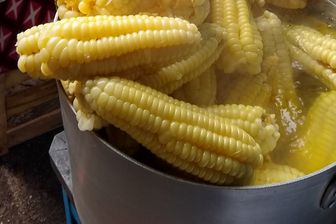
The Cusco style is cuy al horno — oven-roasted, rubbed with garlic, ají and above all huacatay, the pungent Andean black mint that gives highland roasts their particular green, resinous smell. It arrives with potatoes and corn, the two other Andean staples, and often a little stuffing of herbs. Further south, the Arequipa style is cuy chactado, splayed flat and fried under a heavy stone until crisp; you will see it on Cusco menus too, but the roast is the local default.
Cuy is also festival food, which is the truest thing about its place here. It is the meat of a birthday, a saint’s day, a first communion — cooked at home or ordered for a celebration rather than grabbed on a Tuesday. In Cusco it appears at Corpus Christi, the June feast that grew over the wider Andean ritual calendar, most famously inside Chiriuchu: a cold platter of many meats — cuy among them — eaten once a year and almost nowhere else.
What to order
The word you say is simply cuy, and the choice you are really making is the cooking method:
- cuy al horno — oven-roasted, the Cusco standard. Drier and more aromatic from the huacatay, served with potato and corn.
- cuy chactado — the Arequipa style, flattened and fried crisp under a stone. Richer, greasier, with crackling skin. Common enough in Cusco to be a real choice.
- cuy al palo — spit-roasted over coals, turned by hand. More of a roadside and village-fair preparation than a city-restaurant one.
Expect it whole, or halved lengthways if you ask. A place used to visitors will offer to bring it already jointed, and there is no shame in accepting — locals eat it with their hands and work around the bones, and doing the same is the least awkward approach.
If a whole animal is more than you want, look for cuy offered as part of a plato or a tasting portion, and for the once-a-year Chiriuchu around Corpus Christi, where cuy is one component of a shared cold platter rather than the whole meal. That is the gentlest way in.
The one order that quietly marks you as a visitor is asking for it boneless, or recoiling at the head on the plate. Neither is a problem — nobody minds — but both signal that the dish has been met halfway rather than on its own terms.
What to avoid
The failure here is not a bad kitchen; it is a version staged for people who want the photograph more than the food.
Be wary of cuy sold as a cheap, always-available headline on a laminated tourist menu around the main square. Cuy is expensive to raise and slow to cook, so a suspiciously low, permanently listed price usually means a tiny animal, a long wait while one is found, or meat that has been sitting. The honest version is either a proper cuyería that makes it its business, or a place that asks you to order it ahead because they cook it to the table.
The clearest tell in Cusco is freshness of the roast, not brochures: a good cuy al horno is cooked to order and rests briefly, so it comes out hot with crisp skin. A plate that arrives instantly, lukewarm, with slack rather than crackling skin, has been reheated — the animal was roasted hours ago for a display, and reheated cuy is a tough, greasy disappointment that has put many visitors off the dish for the wrong reason.
Finally, treat cuy al palo turning on a roadside spit as a village-fair pleasure, not a city-centre one. In a tourist quarter a spit in the window is more often decoration than a working fire; the fair versions in the Sacred Valley towns, cooked because a real crowd is eating that day, are the ones worth stopping for.
Practicalities
A whole roast cuy in Cusco runs roughly 35 to 55 soles, which places it among the more expensive plates in a city where a set lunch is a fraction of that — the price is the animal, not the postcode, and it holds fairly steady across ordinary and smart places alike. A number well below that range is the warning sign described above; a number well above it usually buys a tablecloth rather than a better bird.
Because it is cooked to order and cooked slowly, cuy rewards planning. If you have a place in mind, a phone call or a word the day before means it is roasting when you arrive rather than being hunted down while you wait. It is a lunch or an early-dinner dish, eaten unhurried; it is not street food and there is no walking version of it.
For the once-a-year encounter, Corpus Christi in June is when cuy is most present on the table, inside Chiriuchu, sold from stalls and homes across the city for the feast. Outside that, the covered central market is the plain, unstaged place to see cuy being cooked and eaten by people who are not tourists, at a set-lunch price rather than a menu one.
On payment, follow the city guide’s rule and carry soles: the cuyerías that do this best are often small, family places where cards are an afterthought, even though the tourist restaurants around the plaza take them without a thought. Tipping a little is normal, as elsewhere in the city; bargaining over a plate of cuy is not.