Cusco: where to stay, when to go, and how to handle the altitude
Last updated 16 July 2026
Overview
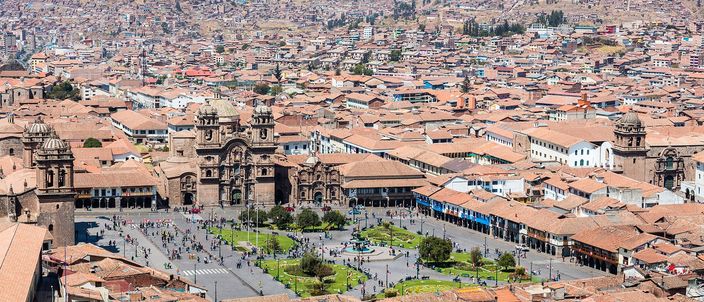
Cusco was the capital of the Inca empire, and the Spanish built their churches directly on top of the Inca stonework rather than clearing it — so the two are physically stacked, most famously at Qorikancha, where a colonial convent sits on an Inca temple’s polished walls. The result is a working Andean city of well over 400,000 people that also happens to be the staging point for Machu Picchu, which shapes everything: prices, crowds, and the rhythm of how visitors move through. The single fact that should govern your first two days is the altitude — the city sits at roughly 3,400 metres, high enough that most arrivals feel it, and pushing hard on day one is the common mistake. Cusco rewards a slow start.
Where to stay
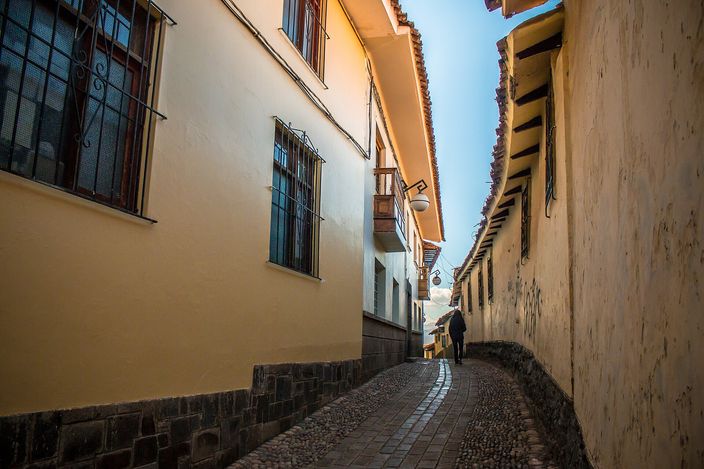
The city climbs the sides of a bowl, and this matters more than in most places: the historic centre sits at the bottom around the Plaza de Armas, and the pretty neighbourhoods rise steeply from there on cobbled lanes and stairways. At 3,400 metres a “ten-minute uphill walk” is not a trivial thing in your first days. So choose your base partly on how much climbing you want to do before you’ve acclimatised. Everything central is walkable in principle; whether you’ll enjoy walking it depends on your legs and your lungs.
Around the Plaza de Armas (historic centre)
The core, ringed by the cathedral, arcaded colonnades and the main Inca-walled streets like Loreto and Hatunrumiyoc. Stay here for your first visit and if you want to step out into the sights, the tour agencies and the restaurants without planning a route. It’s the flattest central option, which counts for a lot on arrival. The trade-off is that it’s the most expensive area, the most touristed, and the plaza draws persistent street vendors and touts by day and some late bar noise by night. Ask for a room off the square itself.
San Blas
The artisan quarter on the slope northeast of the plaza — narrow lanes, workshops, viewpoints over the tiled roofs, and the city’s most photogenic corner. Stay here if you want character and a village feel a few minutes above the centre. The trade-off is blunt: it is steep, reached by stairs and climbing streets, and hauling luggage up (or walking home uphill after dinner) is genuinely tiring until you’ve adjusted. Better for your second stay than your first night off the plane.
Avenida El Sol and toward the centre’s edge
The broad avenue running downhill from the plaza toward the newer city, plus the flatter streets around it. This is the practical, less scenic base: banks, the main post office, larger and more modern hotels, and easy taxis. Stay here if you value level ground, quiet and value over cobblestone charm. The trade-off is that it’s ordinary to look at and a short walk or cheap cab from the atmospheric part.
San Pedro market area
West of the plaza around the covered San Pedro market and the station for the local train line. Lively, cheaper, and the best place to eat like locals — fruit juices, soups and set-lunch stalls in the market itself. Stay here to be near that and to save money. The trade-off is that it’s scruffier, busier with traffic, and the blocks around the market warrant the usual care with bags and after dark.
The Sacred Valley (Ollantaytambo or Urubamba) — worth considering instead
Not Cusco, but a real alternative worth naming: the Valle Sagrado sits several hundred metres lower (around 2,800 metres), which makes it easier on new arrivals, and it’s where the Machu Picchu trains actually leave from. Base here if acclimatisation worries you or if the valley’s ruins and quiet are the point. The trade-off is that you’re an hour or more from Cusco’s nightlife and museums, and you’ll want to see the city itself on separate days.
When to go
Cusco has two seasons and they’re sharply different. The dry season, roughly May to September, is the reliable window: sunny days, cold clear nights that drop near freezing, and the best trail and mountain conditions. It is also peak season — the plaza and Machu Picchu are busy, and June, with the Inti Raymi festival, is the fullest. The wet season, November to March, brings afternoon rain, greener valleys, thinner crowds and lower prices, but muddier trails and a real chance of transport delays; the classic Inca Trail closes for maintenance every February, though Machu Picchu itself stays open and is reachable by train. April and October are good shoulder months. Whenever you come, pack for both a hot midday sun and a genuinely cold night — the daily temperature swing is large and constant.
Getting there & around
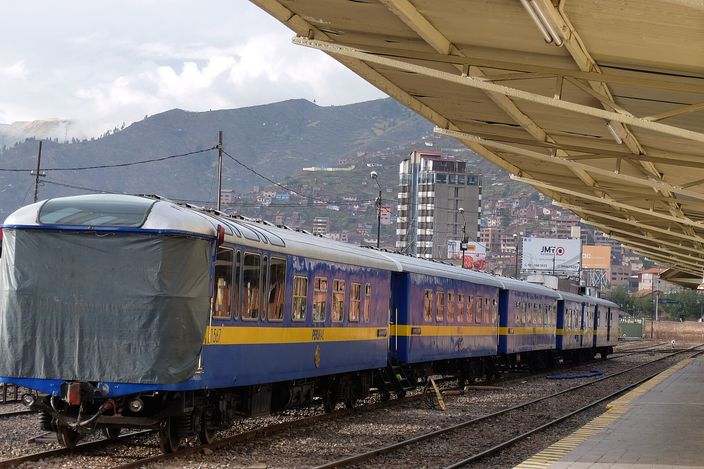
The airport sits only about 3 km southeast of the centre, so a taxi into town is short and cheap; agree the fare before getting in, as there’s no meter culture. Most visitors arrive by air from Lima, a short domestic hop, and there’s no rail link between the coast and Cusco worth using — the trains that matter here run the other way. Machu Picchu is reached only by train, not road. The practical point most people get wrong: services from Cusco’s own station near Poroy are limited, so the standard trip is to travel first by road down to Ollantaytambo in the Sacred Valley (about 1.5–2 hours by shared colectivo or taxi) and pick up the train there. Machu Picchu entry is by timed ticket and the trains sell out in dry season, so both want booking well ahead.
Within Cusco, walk — the centre is compact if steep, and traffic and one-way lanes make a car pointless. Taxis are plentiful and inexpensive; use an app or a hotel-called cab at night rather than flagging one. Shared colectivos and minibuses fan out to Sacred Valley towns (Pisac, Urubamba, Chinchero) cheaply from set departure points, and are the local way to string together the valley’s ruins.
Practicalities
The one that outranks everything: altitude sickness (soroche) is real here, and the fix is to arrive, do little, drink water and lay off alcohol on day one. Coca tea (mate de coca) is offered everywhere and helps mildly; if you’re prone to it, some travellers start altitude medication before arriving, which is a doctor’s conversation, not a guide’s. If Machu Picchu is the goal and you’re nervous about the height, spend your first nights lower in the Sacred Valley and come up to Cusco after.
Cash matters more than in many cities: soles are needed for markets, colectivos and small places, though hotels and tourist restaurants take cards, and ATMs are common around the plaza. Bring a warm layer and sun protection for the same day — the sun at this altitude burns fast.
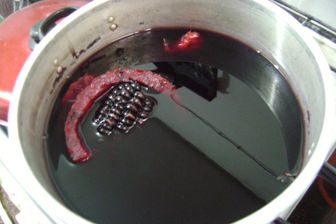
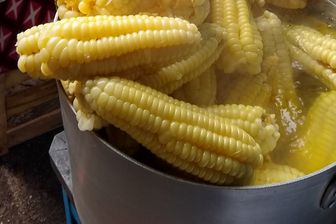
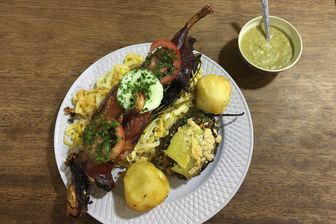
On food, this is Andean cooking, not the coastal Peru of the postcards. The local specialities to know are cuy (guinea pig, usually roasted whole and eaten on festival days), alpaca steak, which is lean and now common on menus, and hearty soups and chicharrón. Choclo con queso — a cob of large-kernelled Andean corn with a slab of fresh cheese — is the standard cheap snack, and chicha morada, a sweet purple-corn drink, is everywhere. The San Pedro market is the honest place to try the lot at a set-lunch price. Tipping a little in restaurants is normal; bargaining is expected in the craft markets, not in shops.