Chicha morada in Cusco: what it is and what to avoid
Last updated 20 July 2026
Overview
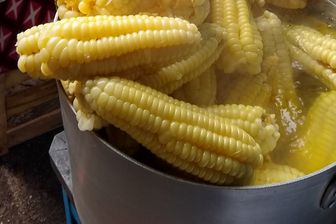
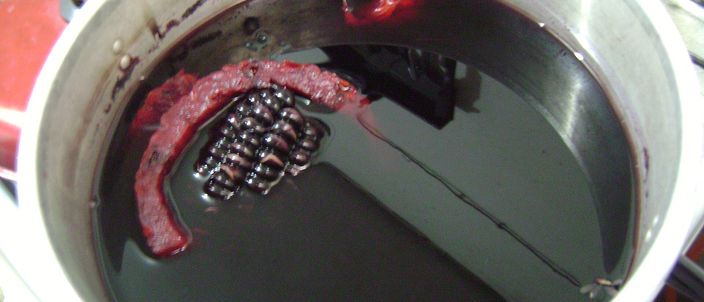
Chicha morada is the deep-purple, non-alcoholic drink you will be poured at almost every set lunch in Cusco, and it is genuinely delicious once you know what it is and what it is not. It is made by boiling maíz morado — Andean purple corn, a real and ancient crop, not a colouring — with pineapple rind, a little quince, cinnamon and clove, then straining it, sweetening it, sharpening it with lime and often dropping in diced apple. The result is sweet, spiced, faintly tart, and served cold. It looks alarming and tastes like a spiced fruit cordial.
The honest thing to say first is that it is not Cusco’s own. Chicha morada is drunk the length of Peru and across the wider Andean world; the purple corn grows in the highlands, so the raw material belongs to this region, but the drink is national rather than local. You are not tasting a Cusco speciality — you are tasting the everyday table drink of the whole country, made here as it is made everywhere, and that is reason enough to order it.
The corn itself is the interesting part. Purple maize has been grown in the Andes for a very long time, long before the Spanish arrived, and its deep colour comes from natural pigments the corn actually contains — which is why a good chicha morada stains and a suspiciously bright one may not be corn at all. The pineapple, quince and spices are the part that was layered on later; the corn is the ancient bones of it.
What to order
The words are simply chicha morada, and the real choice is fresh versus not:
- fresh, house-made — ask whether it is de la casa, natural or hecha en casa (“made in the house”). This is the version boiled that day from real corn: cloudy at the bottom, deeply coloured, tasting of cinnamon and fruit rather than only of sugar.
- by the glass or the jug — a vaso is a glass; a jarra is a jug for the table, which is what you order if there are a few of you at lunch.
- mazamorra morada — worth knowing as the drink’s close cousin: the same purple-corn base thickened with fruit and starch into a spoonable pudding, eaten as a dessert. If you like the chicha, this is the sweet the same ingredients become.
At an ordinary lunch counter the chicha usually comes included with the menú (the set meal), poured from a jug without your asking. That is the most reliable place to meet the real thing, because a kitchen making a jug for its own lunch trade has no reason to fake it.
What to avoid
The one warning that matters here is not about quality — it is about the name. Chicha morada is not chicha de jora.
Chicha de jora is a different drink entirely: a cloudy, sour, mildly alcoholic beer made from fermented corn, ancient and important in this region, and it will not taste remotely like the sweet purple cordial. It is often sold from private houses in the villages and outskirts, traditionally signalled by a long pole with a red plastic bag or a red flag tied to the top — a chichería. If you ask for “chicha” without the morada, in the wrong kind of place, you may get the alcoholic one. Say the whole word, and know that the red-flag houses are pouring the beer, not the cordial.
After that, the tells are ordinary. A chicha morada that is cartoonishly bright, perfectly clear and tastes only of sugar was very likely made from a powdered sachet or poured from a bottle rather than boiled from corn — the industrial versions exist and are common, and they are a thin imitation of the real drink. The real one is a little cloudy, sediment-heavy at the bottom of the jug, and tastes of cinnamon and fruit as much as of sweetness. If it could be any purple soft drink, it probably is one.
Practicalities
By the glass, chicha morada costs almost nothing — roughly 2 to 5 soles — and at a set lunch it is very often thrown in with the menú at no separate charge at all, which makes it one of the best-value things you will drink in the city. Paying a proper soft-drink price for it in a tourist restaurant buys you the room, not a better jug.
It is a daytime, with-food drink above all — the standard accompaniment to lunch rather than an evening one — though the markets and juice stalls pour it from breakfast onwards. The covered central market is, as with most Andean staples, the plainest place to drink it made fresh and cheap, in a glass at a counter alongside the people eating there.
On the practical minor point the city guide raises about cash: a glass of chicha at a market counter or a juice stall is a coins-and-small-notes purchase, so keep a little change on you; the sit-down restaurants that put it on a bill will of course take a card. No tip is expected on a glass of it, and there is nothing to bargain over — it is a fixed, few-soles pour, the same for everyone at the counter.