Guangzhou in two or three days: the west, the old city, and a third day in Foshan

Last updated 15 August 2026
Overview
Guangzhou sets a visitor two problems and one day cannot solve both. The old street life is in the west, in Xiguan — arcaded shopping lanes, a creek that was buried under a road and dug back out, a concession island of banyans and stone. The long memory is in the middle, in Yuexiu, under a hill that was once the northern edge of the walled town. One day forces you to take one and glance at the other. Two days take both at walking pace, and the second is the one that earns the trip: a Han king’s tomb twenty meters under a neighboring rise since leveled away, a Ming watchtower on the hill itself with the city’s own museum inside it, two Buddhist foundations that were already ancient when the tower was built, and a granite cathedral cut and set by hand over twenty-five years.
So day one is the west and nothing else. Everything on it sits inside two kilometers of Xiguan and it ends on Shamian Island with the light going. Day two runs north to south through Yuexiu, from the tomb down to the river, and then takes the metro east for a last hour under the towers, because a two-day trip that never looks at the new city has left out the half of Guangzhou that pays for the other half. The third day is at the end of this article and it leaves the city.
Day one is the day the light governs, and the instruction is short: start at nine, in every month. That is when the doors this route depends on open — the ancestral hall on day one and the tomb museum on day two both admitted nobody before nine in 2026 — and a nine o’clock start leaves enough light at the far end in any month of the year. If either hour has moved, move the day with it: the shape is the door, then the walk, then the light, and that survives the door changing.
The arithmetic below is only worth doing if you cannot start at nine. Everything above Shamian comes to a little over six hours and the island wants two more, so take your own month’s sunset and count back eight and a quarter hours: that is the latest you can begin and still be on the island’s river front while there is something to see from it. The sun goes down here no earlier than about twenty to six — the last week of November, the year’s earliest — and no later than about twenty past seven, in the days around the June solstice. So a November start has to be by half past nine and a midsummer one by eleven. Later than that and something has to come out of the day: take it from the morning and not from the island.
Both days are long and the totals below are not promises. Day one comes to about eight and a half hours with lunch inside it; day two to nearly eleven, with two meals. Those figures count the time you spend inside places and walking between them and they count nothing else. Day one’s largest omission is the crowd: on a weekend afternoon the kilometer of arcade takes twice as long to walk as it does on a Tuesday morning, and no arithmetic here allows for it. Day two’s is the hill. Yuexiu Park is eighty-six hectares of slope and its paths do not run straight, so the nine minutes a map puts between the tomb and the tower is not the nine minutes you will walk.
Day one

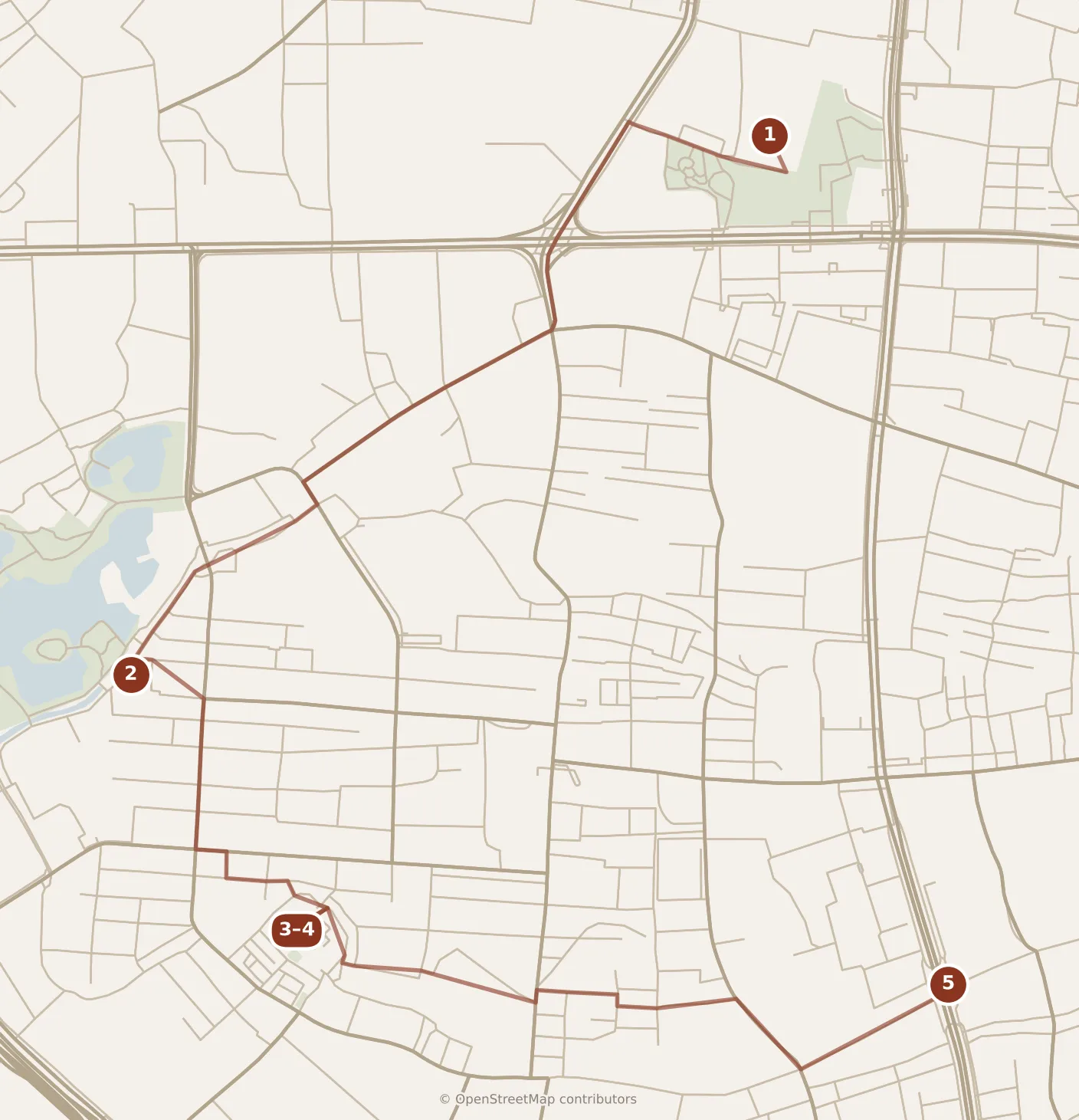
- Morning and afternoon
- 1Chen Clan Ancestral Hall
- 2Litchi Bay
- 3Cantonese Opera Art Museum
- 4Yongqingfang
- 5Shangxiajiu Pedestrian Street
- Qingping Market — in the prose, not on the map
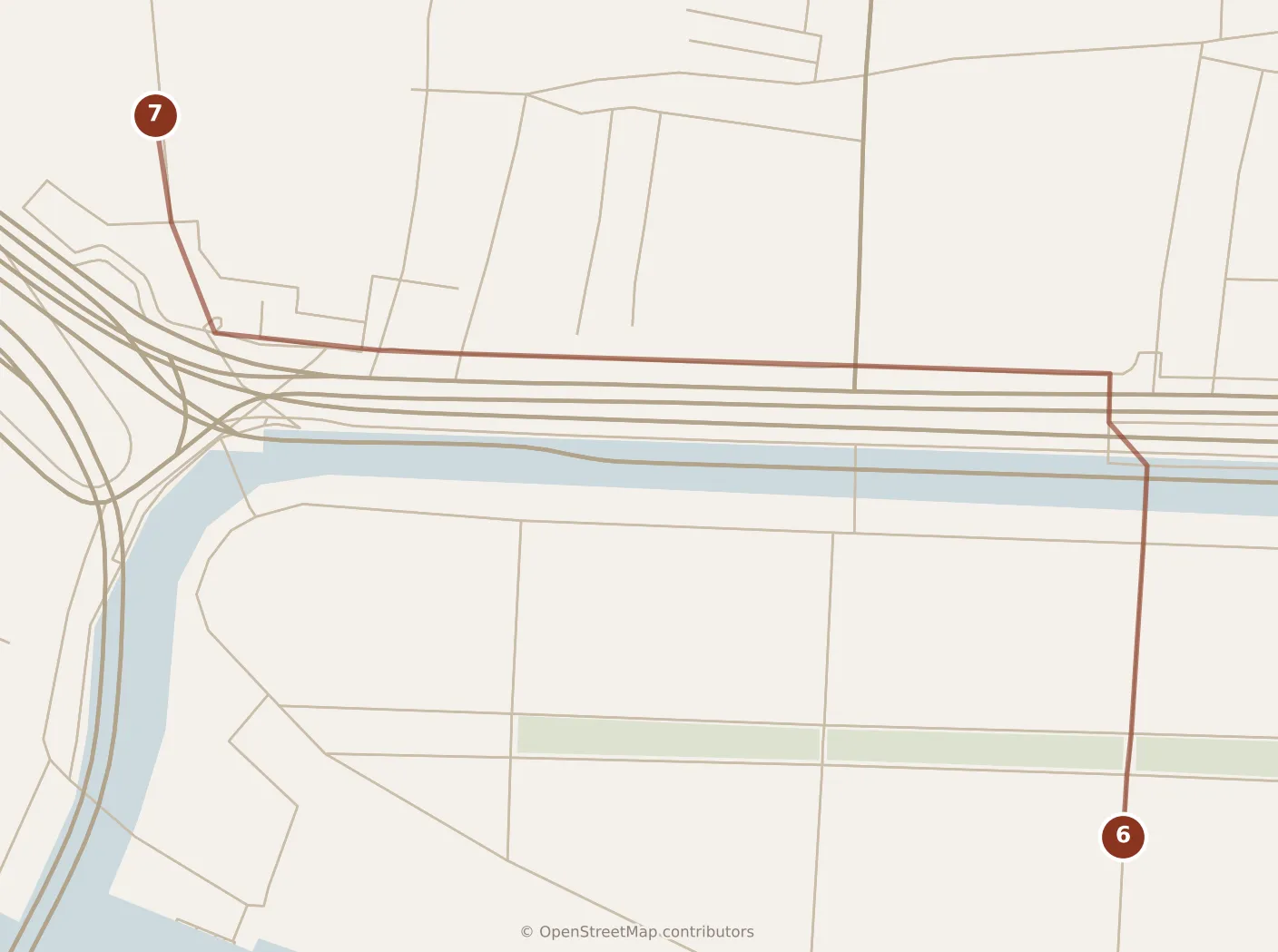
- Evening
- 6Shamian Island
- 7Huangsha station
Everything today is in Liwan, west of the old walls, and the route runs in one direction: north to south down to the creek, then east along the arcades, then south to the water. You do not cross your own path once.
Morning
Get to the start on Line 1, and the first thing is to know which station your ticket names, because the obvious answer has changed. Guangzhou South is the largest of them and the one the high-speed services use: from there ride Line 2 north to Gongyuanqian and change to Line 1 westbound for two stops. From Guangzhou East it is simpler still — a straight run west on Line 1, nine stops and no change, which is the easiest arrival this city offers. Guangzhou Baiyun, on metro Line 12, took over the northbound conventional services from July 2025, and the old central Guangzhou Railway Station stopped originating scheduled conventional trains in January 2026, so do not plan the morning around it merely because it is the one carrying the city’s name. Match the line to the station printed on your ticket and the rest of this paragraph follows. Come up at Chen Clan Academy on Zhongshan Seventh Road; the gate is four minutes from the exit. If your foreign card would not link to Alipay or WeChat before you traveled, buy a Yang Cheng Tong at the customer service window inside any station — it is a plain stored-value card, it takes the metro, the buses and the river ferries, and it is the one thing this route needs that the city guide does not name for you.
The Chen Clan Ancestral Hall went up in 1894 on money raised from one surname in seventy-two of the province’s counties, and from families of it that had already emigrated. It is thirteen thousand square meters — nineteen buildings, nine halls, six courtyards — and the thing to understand before you walk in is that almost none of it is structural. The carving is the building: brick panels on the outer walls, stone on the drums and balustrades, timber on every beam end, and some eighteen hundred meters of moulded plaster running along the roof edges and the corridor tops. Between the blocks run narrow open lanes that were built to move air rather than people, and walking one of them in August explains more about Cantonese building than any label does. It survived the Cultural Revolution because officials installed a printworks in it for publishing Mao Zedong, which is the kind of protection nobody could have designed. It is the Guangdong Folk Art Museum now. Give it an hour and a quarter.
Then south-west into the old quarter to Litchi Bay, twenty-five minutes on foot and the longest uninterrupted stretch of the day. You can take Line 1 one stop to Changshou Lu instead and walk in from there, but be clear about what that buys: with the walk to the platform and the walk out at the other end it saves about five minutes. Take it for the heat, not for the time.
Litchi Bay is a creek, and it is the reason the whole district is called Liwan. It was a resort of orchards and pleasure boats for centuries, then it was fouled, and in 1993 the last stretch was simply slabbed over and turned into a road with antique shops along it. In April 2010 the city took the road up again and let the water back; the work finished that November. What you walk now is about seven hundred meters of reopened channel with five stone bridges over it, three of them carrying the names of bridges that stood here before. The lakes beside it are not old at all — they were dug in 1958 by mass volunteer labor to stop the quarter flooding. Half an hour, slowly, on the water side.
Ten minutes south, on the far bank of the creek just above Enning Road, is the Cantonese Opera Art Museum. It opened in June 2016 and it is built as a courtyard garden rather than a gallery: ponds, covered walks, rockwork, and a real stage in the middle of it that is used. The collections are costume, instruments, photographs and recordings of an art form this city considers its own, and the building is worth as much as the cases. Three quarters of an hour. This is the one door on day one that keeps a museum’s weekly closing; the museum publishes its own days and hours, so read them the week before rather than at the gate, and if the closed day is yours, the forty-five minutes belong on the island at the end.
Yongqingfang is immediately south of it — a block of Enning Road restored rather than replaced, with the lanes behind opened up. Half an hour is enough, and the interest is the shape of the street rather than what is sold in it. Eat here: this is a yum cha city and the long meal of tea and small plates is the point of being in Xiguan at all. Order in rounds rather than all at once, which is how it is done — a pot of tea and two or three plates at a time — and the plates to start from are har gow, prawn inside a translucent wheat-starch skin; siu mai, open-topped pork and prawn; cheung fun, rice sheets rolled round prawn or beef under sweet soy; and char siu bao, the steamed bun with roast pork in it. One thing to know before you sit down: the meal this city takes seriously is the morning one, and the tea houses fill with regulars before eight. Midday is the easy version of it, and worth the hour even so.
Afternoon
Now walk east under the arcade. The covered colonnade runs about a kilometer from Enning Road through Dishifu Road and into Shangxiajiu Pedestrian Street, and going in this direction means you start in the quiet, unrenovated end and finish in the noise, which is the right way round when the noise is what you are leaving. Twenty minutes of walking; allow an hour with the stopping. Shangxiajiu itself is chain shops and crowds and you are not there for the shops — you are there for what is over your head and for the fact that the whole street is roofed.
Twelve minutes south-west is Qingping Market, the dried-medicine trade: sacks and drawers of peel, bark, root, fungus, ginseng and things you will not identify, weighed out to people cooking with them. It is a working wholesale trade keeping the trade’s own hours rather than a visitor’s, and the morning is when it is fullest: by the middle of the afternoon, which is when this day reaches it, some counters will have shut. Treat it as a look-in — twenty-five minutes if it is still working, less if it is not, and the time goes to the island either way. Look and not buy is the rule regardless: part of what is sold here, including the dried seahorses, is controlled under international wildlife trade rules and cannot cross a border without paperwork.
Evening
Seven minutes further and you are over the bridge onto Shamian Island, and this is where the day was going all along. The British and the French cut a canal along the north side of a sandbank in 1859 to make an island of it, divided it three-fifths to two-fifths and held it until 1943. It is nine hundred meters by three hundred, there are no buses on it, and it is planted end to end with banyans and figs. Before 1859 the foreign trade had been penned into the Thirteen Factories on the bank just east of here, which is what makes the island the second chapter of one story rather than the beginning of one. Of all the consulates that once stood along these streets, only the one belonging to Poland is still here.
Give it two hours and do not plan them. The island is small enough that you cannot get it wrong and the point of it is the temperature and the pace: it is several degrees cooler than the street you came from and nothing on it is a museum. On weekends it is busier than that reads — it is somewhere the city itself comes on a fine afternoon — so hold the two hours loosely and protect the one thing inside them that is fixed. The one thing that repays a decision is where you are standing at the end — the river front on the south side, thirty or forty minutes before your month’s sunset, looking out at a working river. If the ferry across to the far bank from the pier just off the island’s north-east corner, by Huangsha, is still running when you get there, ride it over and back: it is a few minutes each way, it costs the same as nothing, and it is the only part of these two days spent on the water. The pier posts its last sailing, which is the one thing to read rather than assume; if it has gone, the south front does the same job standing still.
Huangsha station is eleven minutes from the island’s north-east corner, on Lines 1 and 6, and it is where the day ends. Eat before you go down: the streets immediately north of the island are the near option, and one stop east on Line 1 to Changshou Lu is the better one, back into Xiguan where the kitchens are. A Cantonese dinner there is roast meats over rice, a bowl of wonton noodles, congee, and something steamed and plain beside it: the cooking’s whole argument is that good material wants very little done to it, which is why so little of it is hot with spice.
Day two

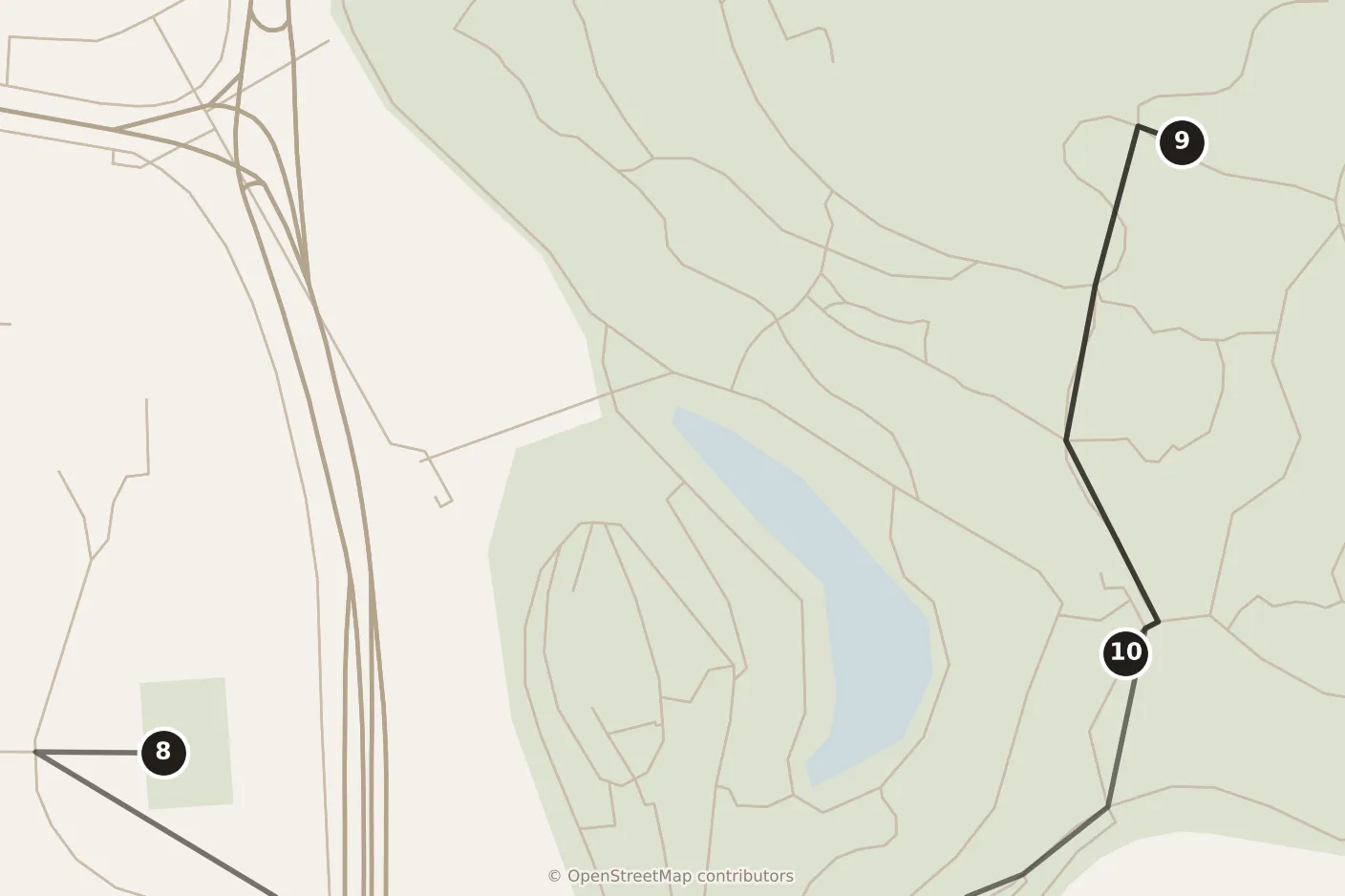
- Morning
- 8Nanyue King Museum
- 9Yuexiu Park
- 10Zhenhai Tower
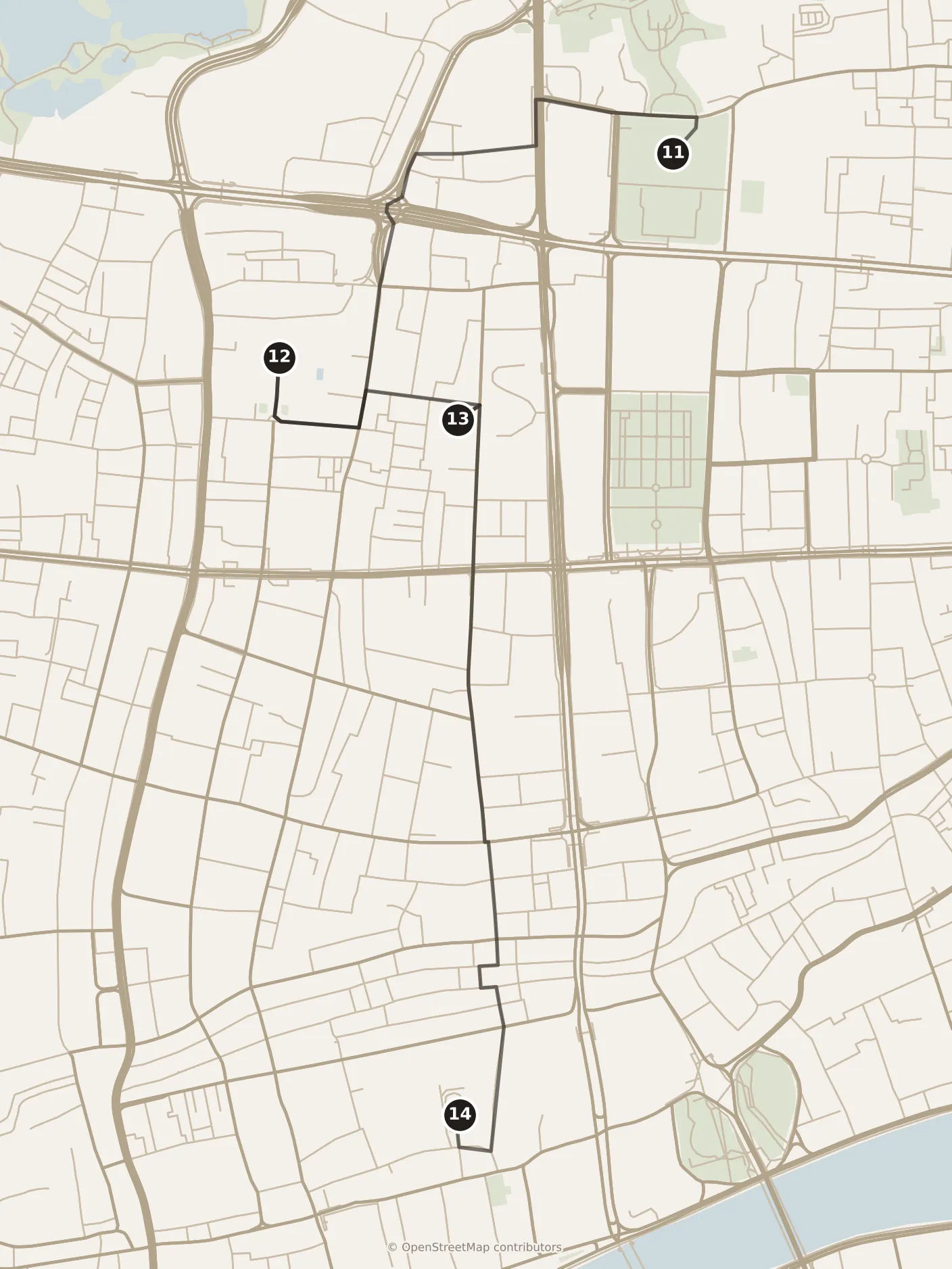
- Afternoon
- 11Sun Yat-sen Memorial Hall
- 12Guangxiao Temple
- 13Temple of the Six Banyan Trees
- 14Sacred Heart Cathedral
- Evening
- Beijing Road — in the prose, not on the map
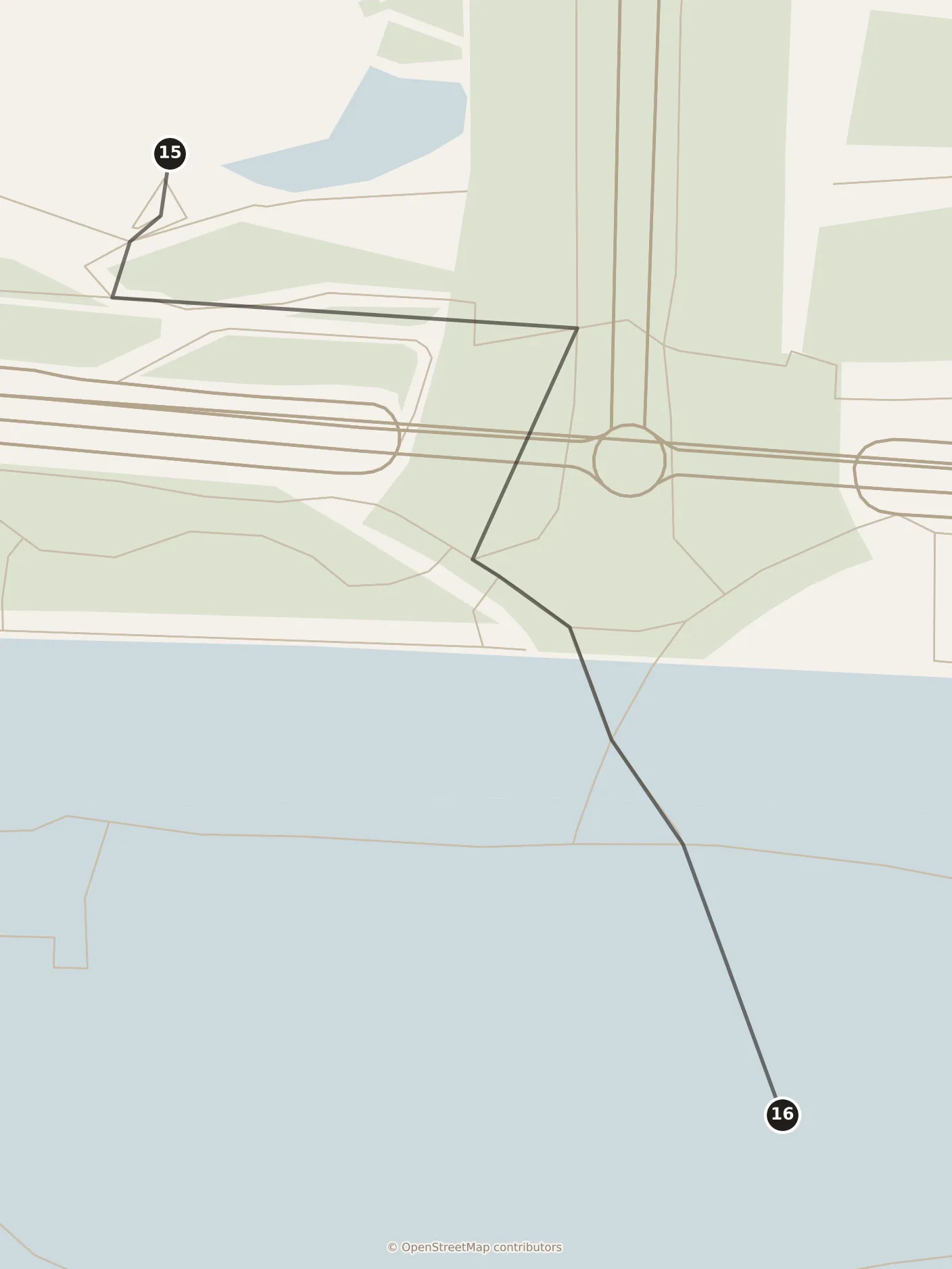
- 15Guangzhou Opera House
- 16Haixinsha Island
Today goes down through the city rather than across it: a tomb of the second century BC, a fourteenth-century tower, two temples, a nineteenth-century cathedral, and then eleven layers of old road surface under glass. It runs almost due south for two and a half kilometers, then a kilometer east on foot, and then makes one jump of seven kilometers east on the metro — the only long ride either day contains. It is also the longer walk of the two and the only one with a climb, which between May and September matters more than the opening hours do: the slope up through Yuexiu Park in the late morning and the unshaded half hour south to the cathedral in mid-afternoon are the two places a Guangzhou summer is actually felt.
Morning
Yuexiu Park station is on Line 2, which is the line up from Guangzhou South, and that makes this the morning to use if you are arriving by train with a bag: left luggage is at the stations and nowhere on either route, so whatever you are carrying is dealt with before you board the metro or not at all. Come out at Exit E for the Nanyue King Museum, two minutes away on Jiefang North Road.
In 1983 a construction crew levelling a small hill for a hotel cut into the roof of a tomb twenty meters down, and what they had found was the burial of Zhao Mo, second king of Nanyue, who ruled from 137 to 122 BC. The chamber is built of some seven hundred and fifty stone slabs in seven rooms, and the museum built over it in 1988 takes you down into the thing itself before it shows you what came out. Two objects justify the morning. One is the jade suit: two thousand two hundred and ninety-one plaques sewn together with silk thread, and the only such garment known — every other jade suit that survives is stitched with gold, silver or copper wire, and there is no record of a second silk one anywhere. The other is a silver box of Persian workmanship, the earliest imported object yet found in China, sitting in a Cantonese tomb two thousand years before anyone called this a trading city. Fifteen people were buried alive with him; the museum says so plainly and does not dwell on it. An hour and a half, and take the tomb first while your legs are fresh, because the descent is steep and the galleries above it are not.
Then into Yuexiu Park through its western side. This was the north wall of the city, and lengths of the Ming brick rampart still run along the ridge, and they are most of what is left of the walls anywhere in the city. Below them stands the Five Rams sculpture, cut from more than a hundred and thirty pieces of granite in 1960 and carrying the founding legend the city is named for. Thirty-five minutes here, most of it climbing.
At the top is Zhenhai Tower, five stories and twenty-eight meters, put up in 1380 by Zhu Liangzu, Marquis of Yongjia. The story attached to it is worth having: he is said to have been told that the colored vapour rising over this hill announced a coming emperor, and to have built the tower into the wall to spoil the hill’s luck and prevent it. It has been destroyed and rebuilt five times. Since 1929 it has held the Guangzhou Museum, one of the earliest public museums in China, and the permanent display inside is the city’s own history from the Han onward, arranged floor by floor as you climb. Forty minutes. A second building lower in the park shows the export trade’s own art — carved ivory, embroidery, painted enamel — made in this city for buyers who never came to it, and if you have the appetite it is the better half; if you do not, skip it without argument and keep the time for the afternoon.
Lunch on the way down, around the park’s southern gates.
Afternoon
Ten minutes below the gates is the Sun Yat-sen Memorial Hall, an octagon of 1931 paid for by subscription from Chinese at home and abroad, standing where the presidential palace stood until it was shelled in 1922. Its span is seventy-one meters and there is not a pillar under it — a single room seating three thousand two hundred and forty. The grounds are free and open from six in the morning until ten at night, hours the ticketed building does not keep, and they hold a kapok of some three hundred years by the north gate and two white champaca that scent the whole enclosure when they flower. Fifteen minutes from the forecourt is the right amount for most of the year: the ticket inside buys you an empty auditorium, and the achievement is the roof, which you can see perfectly well from outside it. In early spring, when the kapok is out, fifteen minutes is the wrong instruction and the grounds are worth as long as you care to give them.
Twenty minutes west is Guangxiao Temple, one of the oldest Buddhist foundations in the city. The site was the residence of one of the Nanyue kings, gave up being a house in the third century, and by the Tang was where monks arriving by sea from India and beyond made landfall in Chinese Buddhism. Huineng, the sixth patriarch of Chan, was tonsured here in 676, and the small octagonal pagoda behind the main hall was built to bury his hair — one of five Tang pagodas left standing in this province. Look for two more things. The two iron pagodas behind the great hall were cast in 963 and 967 and are the oldest iron pagodas surviving anywhere in China; the eastern one carries some nine hundred tiny niches, each with a buddha in it, and was gilded when it was new. And the great hall itself is screened with carved wooden lattice rather than walled, some of the panes filled with translucent shell instead of glass, which is a southern answer to heat and rain that you will not have seen further north. Forty minutes.
Eight minutes east is the Temple of the Six Banyan Trees, founded in 537 to house relics brought up from Cambodia and renamed after a poem Su Shi left here around 1100. Its Flower Pagoda dates from 1097, octagonal where the tower it replaced had a square base, burnt and rebuilt in 1373; it is the thing you can see from three streets away and the reason to come. Thirty-five minutes.
Both are working temples and the manners are not obvious. Where incense is offered it is burned in the courtyard censer and not carried into the halls, and three sticks is the usual number — but each temple sets its own rule, some now hand the sticks out rather than sell them and some have stopped altogether, so take the lead from the censer rather than from this paragraph. You keep your shoes on — that is a South-East Asian habit and not a Chinese one, and taking them off at the door here marks you out rather than the reverse. Photographs of the images are usually forbidden and the sign is at the door of each hall rather than at the entrance to the grounds. And the raised timber sill across each doorway is stepped over, never trodden on; an attendant will tell you so if you get it wrong, which is exactly the kind of correction the whole business is designed to spare you.
Local tip. If the afternoon is running behind, the temple to drop is Guangxiao and not the banyan temple — not because it is the lesser of the two but because it is the only stop today that is a detour rather than a step on the line south. Cutting it hands back the better part of an hour, and that hour is precisely what the last leg east needs.
From the Temple of the Six Banyan Trees walk due south for about half an hour to Sacred Heart Cathedral. It is granite throughout — walls, piers and both towers — and the local name for it translates as the stone house, which tells you what the city made of a building put up entirely in cut stone by masons who normally worked in brick and timber. It went up between 1863 and 1888 on the ground where the Qing viceroy’s residence had stood before the Second Opium War destroyed it. Half an hour. It is a parish church rather than a monument, its published hours close it across the middle of a weekday, and a service closes it to visitors whenever one is on: stand at the back or come back, and see the end of this article for what to do if you find the doors shut.
Evening
Twenty minutes east brings you onto Beijing Road, which is a pedestrian shopping street and, in the middle of it, a hole in the ground under glass: eleven superimposed layers of road surface, one on top of another, on the line the main street of this city has kept for a thousand years. It takes ten minutes to look at and it is the best short argument for continuity anywhere here. Twenty-five minutes on the street altogether. The other half of the morning’s museum — the excavated Nanyue palace and its garden — is a few minutes north of the top of this street, and it is a genuine loss. It shuts with the afternoon, and it wants half an hour if you are brisk and three quarters if you are not, so on the day as written it comes straight out of the hour at the eastern end. Take it only if the towers can wait for another trip.
Eat here rather than at the other end. Line 6 runs east from Beijing Lu, four stops to Ouzhuang, where you change to Line 5 for four more to Zhujiang New Town: about half an hour and one change. What is at the far end is a business district whose eating is mostly inside shopping centers, and during the two Canton Fair sessions there is not a free table in it. Forty-five minutes over dinner in the old city solves a problem you would otherwise meet at nine o’clock with nothing left to do about it.
You surface at the head of Huacheng Square, a paved axis running the better part of a kilometer south to the river with the provincial museum and the city library standing along it, both long shut by this hour. Walk its length rather than riding to the end; the whole composition is aimed at the water and it only reads if you take it in order. Ten minutes down it, the Guangzhou Opera House sits off to one side, and the thing to do is walk around it, not into it — going in means a performance and a whole evening. Twenty minutes will do.
Then the footbridges to Haixinsha Island in the middle of the river, and this is where day two stops. On the running order above you reach the square around six, which in the short half of the year is already past sunset and in the long half is an hour and a half before it. Neither is wrong. In winter the towers behind you and the Canton Tower across the water are lit when you arrive; in summer you get the last of the light on the water first and the lighting comes on while you are standing there, which is the better of the two if you can arrange it. An hour, and turn round for at least part of it.
Leaving, Zhujiang New Town station is twenty minutes back up the square on Lines 3 and 5. Line 3 goes north for Guangzhou East and the airport, but not in one ride: those two are on the northern branch, which leaves the main line at Tiyu Xilu, so you change there — and Tiyu Xilu is one of the busiest interchanges on the network, which is worth ten minutes of margin if you are carrying a case to a flight. Line 5 runs west across the city without a change, but the station it calls at is the old central one, which by day one’s account no longer originates scheduled conventional trains: it is a ride into the middle of town rather than a ride to a train. Neither Guangzhou South nor Guangzhou Baiyun — the one now carrying the northbound conventional services — is on Line 3 or Line 5, so if your train leaves from either, allow for a change and read the route off the map rather than off this paragraph.
With a third day

- With a third day
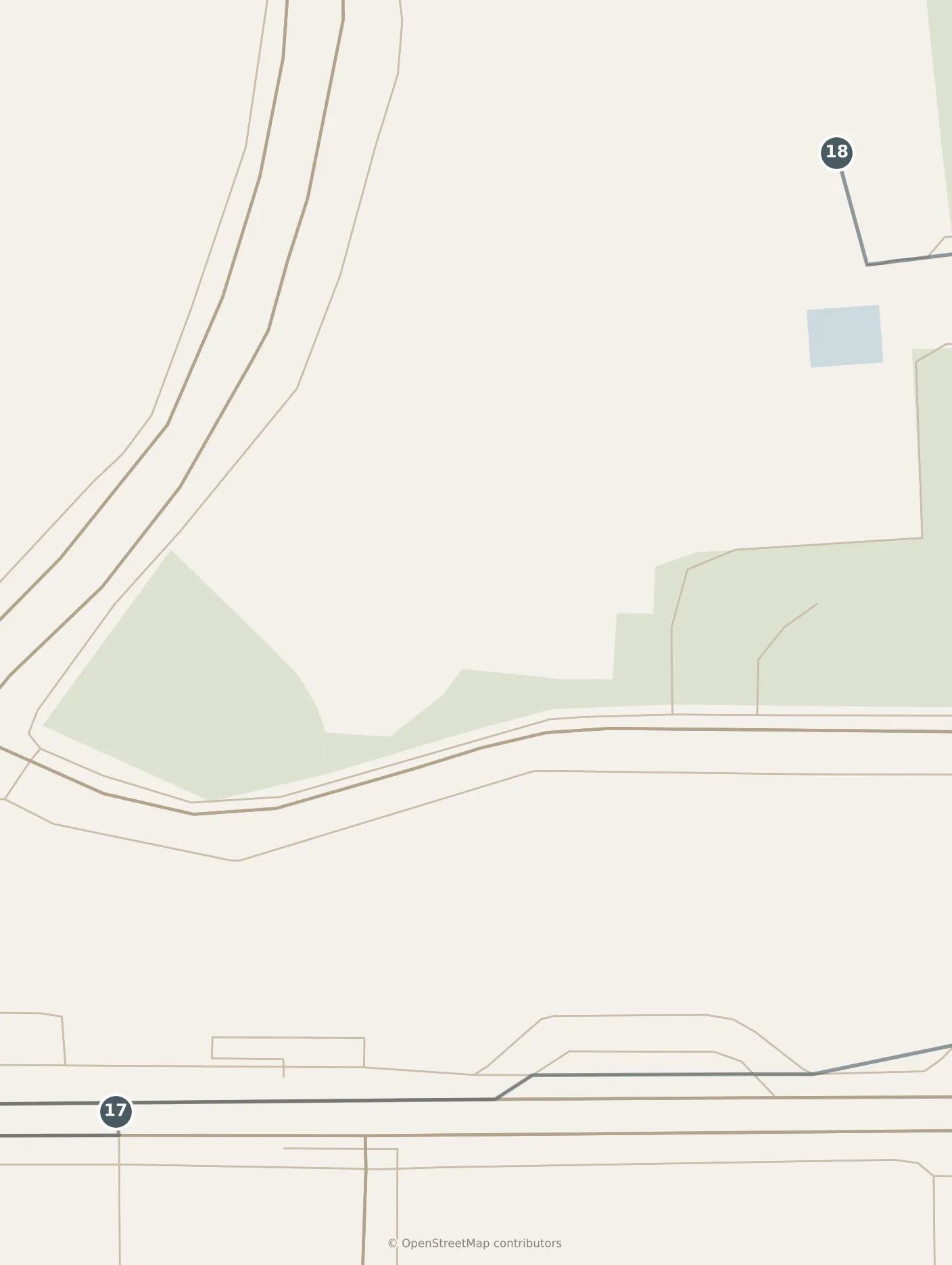
- 17Zumiao station
- 18Foshan Ancestral Temple
The third day goes on the end, and it goes to Foshan. It is a separate city on the same metro network, and the reason to spend a day there is not that it has more temples but that it finishes an argument day one started.
Take Line 1 west to its terminus at Xilang and change there onto the Guangfo line, which was the first metro in China to run between two cities; ride it west to Zumiao. The better part of an hour from the old city, one change, ordinary fares. Come out at Exit D and the gate is six minutes away.
Foshan Ancestral Temple was founded in the Yuanfeng years of the Northern Song, between 1078 and 1085, wrecked at the end of the Yuan and rebuilt in 1372. It is Daoist, not Buddhist, and it is dedicated to Beidi, the northern god who has authority over water — which is a sensible thing for a delta town to have built its principal temple to. Its main hall, the Purple Cloud Palace, holds the bronze figure of the god. Beside it stands the Wanfu Stage of 1658, the oldest surviving theater stage in southern China and still in use. A Confucius temple of 1911 shares the enclosure, and two halls added at the turn of this century commemorate Huang Feihong and Ip Man, both of whom came from here, which is why the courtyard has lion dance and martial arts demonstrations in it three times a day — once late in the morning and twice in the afternoon in 2026, and canceled outright in rain. The exact times are posted at the gate and are not worth guessing at from here; what you can plan is the departure. The ride out is the better part of an hour and the gate is six minutes beyond the metro exit, so leaving the old city at nine puts you inside a little after ten, which is ahead of a late morning on any reading of the phrase; leave it until the middle of the morning and the first of them may already have started. Read the board on the way in and build the rest of the visit around the next one rather than wandering and hoping. They fill the forecourt and they are standing room. The ticket was about twenty yuan in 2026, which answers the only real question about a day out — whether the detour is a cheap one. It is.
And the roofs. The ridge crests you looked up at on the first morning, populated with painted opera figures, belong to a Guangdong tradition whose kilns were at Shiwan, on the far side of this town: architectural ceramic — figured ridges, ornamental tiles — was one of the three things Shiwan made for the whole region. The roofline here is of the same kind, and seeing the two within three days is the argument for the day. The kilns themselves are a further ride south-west and a half-day of their own; this day does not include them, and pretending otherwise would give you two hours of traveling and forty minutes of looking.
Half a day covers the temple properly. The restored blocks immediately around it fill the rest if you want them, and there is a demonstration in mid-afternoon to come back for if you spend the middle of the day away from the enclosure.
Where it goes, and what moves. The default is the simple one: Foshan third and last, with nothing in the two days above changed — day one and day two do not depend on each other and neither depends on this.
Two things move it, and they are separate. If you are leaving Guangzhou on the evening of the third day, do not put Foshan last: getting back is the better part of an hour and a change, and it is an hour you will spend watching a clock. And if one of your three days is a Monday, give that Monday to day one, which is streets, an arcade, a market and an island and closes for nothing except the opera museum. There is one Monday that will not take either treatment — the last of the month, when the ancestral hall shuts for maintenance. Then check the Foshan temple’s own closing day, give the Monday to Foshan if it is open, and let day two run on the third day instead.
If you would rather not leave the city at all, the honest alternative is a half-day: give the third afternoon to Huacheng Square in daylight, where the provincial museum was shut when day two walked past it, and then ride one stop further on Line 3 to Canton Tower station and cross to the south bank at the foot of the tower, to see the skyline the other way round. That replaces Foshan entirely rather than adding to it, it is about half an hour from the old city — Line 6 to Ouzhuang and Line 5 to Zhujiang New Town, exactly as on day two — and it needs no earlier start than lunch. The provincial museum keeps a weekly closing like the rest of them, so it is the same date to check as day two’s.
Practicalities
Only one door on these three days needs booking before you travel and every other one you can walk up to, which for a city this size is not what a reader expects. What does have to be done before you leave is on your phone rather than at a ticket desk, and it is three things rather than one; they are the paragraph below this one. The door is the tomb museum, which takes its ticketing and its timed slots through its own WeChat account and which is the stop day two is built forward from: settle it in the week before you go. The paid doors themselves are few and small — the tomb was about ten yuan in 2026, so the whole question of whether the museum day is an expensive one is answered before it is asked. What costs you is the ticket window rather than the ticket. Every ticketed door on day two is a real-name door — bring your passport, not a copy — and where a Chinese public museum requires a timed reservation it is made inside WeChat, on that museum’s own mini-program, with the passport number.
So install WeChat and get it verified before you leave rather than on arrival: the identity check it wants is not a thing to be doing at a museum gate. Two more belong in the same evening’s work. Google Maps does not resolve in the mainland, and this route walks you eight kilometers on day one and nine and a half on day two: Apple Maps does work, on Chinese mapping data, and Amap and Baidu Maps are what the people around you are using. And Google Translate withdrew from the mainland in September 2022, so download an offline Chinese pack before you go rather than assuming the translator already on your phone will answer. How the metro is paid for is settled on day one — the Yang Cheng Tong at any customer service window — and nothing on this route needs a different answer.
One weekday matters and it only touches day two. The tomb museum closes one day a week and in 2026 that day was Monday, which is the rule Chinese public museums keep as a class — with an exception the museum publishes itself: on the national statutory holidays it opens as normal, so a Monday falling inside Golden Week or the Labor Day break needs no rearranging at all. The Guangzhou Museum in the tower keeps its own weekly closing too. Both publish their days themselves, and both are worth reading the week before rather than trusting this paragraph. If your second day lands on the closed day, swap the two: day one is streets, a creek, a market, an arcade and an island, and the only thing on it that keeps a weekly closing is the opera museum. The ancestral hall is a museum as well and is the exception — it does not shut a day a week, but the listings have it closed on the last Monday of the month for maintenance, so that is a date to check rather than a weekday, and it is the one kind of Monday that day one cannot absorb. The swap costs you almost nothing otherwise, which is the reverse of the usual arrangement and the reason this article puts the west first rather than last.
But the weekday is not what governs the calendar here, and planning around it alone will catch you out. Five things move on their own schedules. The Canton Fair runs twice a year, mid-April into early May and mid-October into early November, three weeks each time; it shuts nothing on this route but it fills the metro at the eastern end and every table in the new city, so during those windows day two’s dinner belongs in the old city as written and the last hour becomes harder rather than impossible. The national holiday weeks are heavier still, and only one of the two falls clear of the Fair: the autumn session opens after the October break has ended, but the spring session runs three weeks from mid-April and its last days overlap the Labor Day break. National Day runs from the first to the seventh of October, eight days in the years the Mid-Autumn holiday falls beside it, and the Labor Day break has been five days since 2020; both are peak domestic travel across the country, the museums run at capacity, and the first thing to go is the tomb museum’s reservation slots — which is the stop day two is built forward from. So the first days of May are the one window on this calendar that carries both at once, and if that is when you are coming, book the tomb museum before you settle anything else. The lunar new year moves between late January and mid-February; in that week the temples are at their fullest and best, the wholesale lanes and a great many small kitchens close for several days, and museums publish special holiday hours — so that week the thing to check is where you will eat, not what will be open. And the typhoon season runs June to October and peaks in the late summer. A serious warning stops the metro, and when the metro stops neither of these days exists; there is no version of them that works on foot, and the answer is to move the day rather than to salvage it. Last, every November since 2011 the city has held a light festival on Huacheng Square, which is the paved axis day two ends on: a reason to be there rather than to avoid it, but the square will be full and the walk down it slow.
If the cathedral is locked when you reach it — its hours close it across the middle of a weekday and a service closes it besides — you lose half an hour and nothing else. Walk the twenty minutes east to Beijing Road early instead, look at the excavated layers, and spend the freed half hour on the palace site north of the street — the brisk version of it, which is what that half hour buys. It is the stop the evening paragraph otherwise says you cannot have without giving up the last hour east, so this is the one failure on either day where the loss and the gain sit in the same afternoon and cancel each other out.
Short of time on either day, the order in which things go is not the order you would guess. On day one the Cantonese Opera Art Museum goes first, at three quarters of an hour, and Litchi Bay second, at half an hour more; both are on day one and both buy island time, which is where day one’s value actually is. On day two Guangxiao goes first, and it is worth more than it looks — forty minutes inside plus the twelve minutes of detour it costs to reach, so the better part of an hour returned to the same day’s evening. What does not go at any length of trip is the ancestral hall and the two hours on Shamian, which are day one, or the tomb and the last hour on Haixinsha, which are day two: cut into those four and you have not shortened these days, you have swapped them for someone else’s.
The walking comes to about eight kilometers on day one and about nine and a half on day two — a little over two hours on the first and closer to two and a half on the second, which is worth knowing, because day two reads like the museum day and is in fact the longer walk, and the only one with a climb in it. The longest single stretch with nothing to stop for in the whole trip is on day two: the half hour due south from the banyan temple to the cathedral. Its metro alternative exists and saves nothing — ten minutes on foot to Gongyuanqian, one stop on Line 2 to Haizhu Square, eleven minutes west from there — so it costs the same half hour and spends the middle of it underground, which between May and September is precisely the reason to take it: for the heat, not the clock, exactly as on day one. Day one’s longest is the twenty-five minutes from the ancestral hall to the creek, and that one does have a replacement worth taking in bad weather: the single stop to Changshou Lu.
You will have a room, so the bag is only a question on the first morning and the last. Deal with it at the station you arrive into, because nothing on either route will take it: day one begins and ends deep in the west, a long way from anywhere with a left-luggage counter, and neither the arcade nor the island is a place to be holding a case. Whether a counter will serve you without a ticket for that day is a question for the window rather than for this article. If you arrive in the morning and mean to start the same day, let the station choose the day rather than the other way round: Line 2 runs from Guangzhou South to day two’s first stop without a change, while day one from there costs you one, and from Guangzhou East Line 1 runs straight to day one’s, which is the easiest arrival this city offers. The two days do not depend on each other, so either order works.


.jpg)